Alberta Referendum Independence, why Canadian Separation?
Alberta province in Canada held a referendum related to independence on Monday (12 / 10).
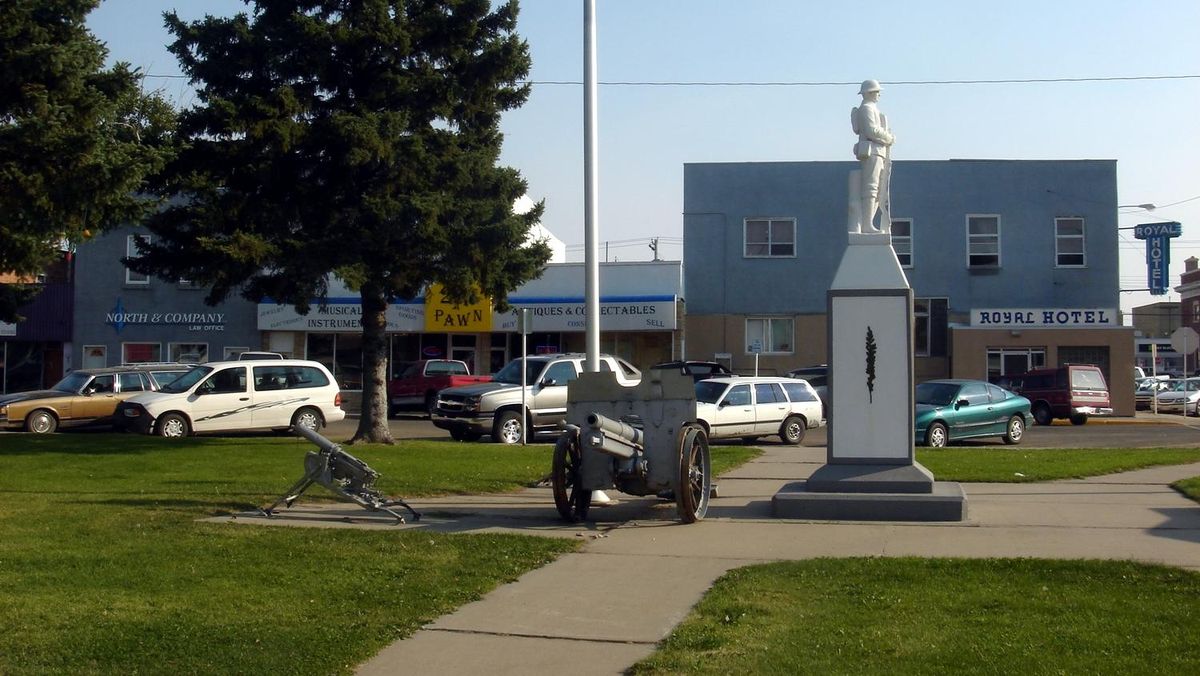
Alberta province in Canada held a referendum related to independence on Monday (12 / 10).
This vote became an important momentum for a separatist movement that had been pushing Alberta out of Canada for decades.
Alberta is known as one of the richest oil regions in Canada. However, some citizens feel the federal government in Ottawa is taking too much income from Alberta's natural resources without giving it a fair reward.
Founder of Pathway's advocacy to Independence organization, Cory Morgan, became one of the figures that for over 25 years fought for Alberta's independence. He said he would continue to fight for that idea even though citizens refused to segregation in referendum.
"I will honor the will of the voters. If they decide that it's not time to go down that road, then so be it. But that doesn't mean I'm gonna quit, 'said Morgan to Al Jazeera.
Even so, polls show that separatists are still facing great challenges. About four out of five Alberta people want that province to remain part of Canada.
Why would half of Alberta want to separate from Canada?
The referendum doesn't directly determine Alberta's independence. People face two choices, which are either to remain part of the country or begin a legal process for future independence referendum.
If the majority of voters support that second step, Alberta will have to go through a long process before it can become a free country.
The process includes negotiating with the federal government in Ottawa, other provinces, as well as indigenous communities living in Alberta and surrounding areas.
Alberta University's political science professor Jared Wesley said that some of the advocates actually don't want freedom. They used the vote to convey discontent to Ottawa.
The data Viewpoint Alberta collected, a research initiative based at Alberta University, shows two-thirds of the voters who support referendum do so to send a message to Ottawa.
Morgan referred to the group as "reluctant separatists," as citizens who thought "desperate" and wanted the federal government to care more about Alberta's interests.
However, the Canadian Prime Minister, Mark Carney, warned the citizens not to use their voices just to deliver a message.
'Don't be fooled by the assumption that you can 'send a message with your voice,' said Carney in a Canadian program show at Calgary on Thursday (15 / 10).
"It's not poker. The voice against Canada is a dangerous bluff that will cause profound rifts and great uncertainty over the years," its end.
Alberta's desire to separate from Canada has been rooted in economic and energy policies that have been going on for decades.
As the fourth largest oil reserve in the world, Alberta became one of the Canadian energy industry's centers. However, some separatists value the province sending too much money to the federal government and not receiving equal benefits.
To Morgan, that dissatisfaction has been strong since the 1980s when the government of the Canadian Prime Minister, Pierre Trudeau, introduced the National Energy Program.
That policy governs prices, taxes and ownership in the energy sector to maintain energy outreach in Canada. However, it also directed more income from the Alberta energy industry to Ottawa.
That policy became a symbol of "western alienation." This term used to describe the loss of rights among the western provinces of Canada.
In 2015, tensions were back up when Justin Trudeau was applying climate policy, including national carbon tax and emissions restrictions. That policy reaped the rejection of the oil industry in Alberta.
"We've been arguing about the same thing for 50 years," said Morgan.
The Covid-19 pandemic is also pushing the revival of separatists. According to some experts, demonstrations against health restrictions mobilized a new conservative group who then supported the movement.
By 2025, the pressure from the separatists increased. The Prime Minister's government, Alberta Danielle Smith, then made it easy for the management of referendum, so that the issue of independence became part of the province's political agenda.
Despite supporting the referendum management, Smith announced that he refused to separate Alberta from Canada on Wednesday (14 / 10).
"I think now is not the time to give up hope in our country, especially after we've fought so long and reached so far," said Smith in the social media video.
Wesley assessed the referendum as well as the internal dynamics of the United Conservative Party led Smith. Support for separation among members of the party is higher than the overall Alberta public support.
"We're having a referendum because Danielle Smith wants it. He wanted to solve the party's internal problems by asking the broader public questions," Wesley said.
A number of observers compared Alberta's referendum to the Brexit vote in England in 2016.
At that time, British citizens voted out of the EU after Prime Minister David Cameron held a referendum in the midst of a political divide in the Conservative Party.
However, the political scientist who grew up in Alberta now lives in Ireland, Ian Cooper, judging the British referendum in 1975 became a more relevant appeal.
In that referendum, the majority of the British chose to remain in the European Economic Community. Even so, it didn't stop the British supporters from coming out of the organization..
Source: CNN Indonesia ›

Comments (0)
No comments yet.