Houthi attacks: Saudi Arabia's Yemeni trap
Saudi Arabia is looking for a way out of the Yemen conflict. But neither a deal nor escalation are good options right now.
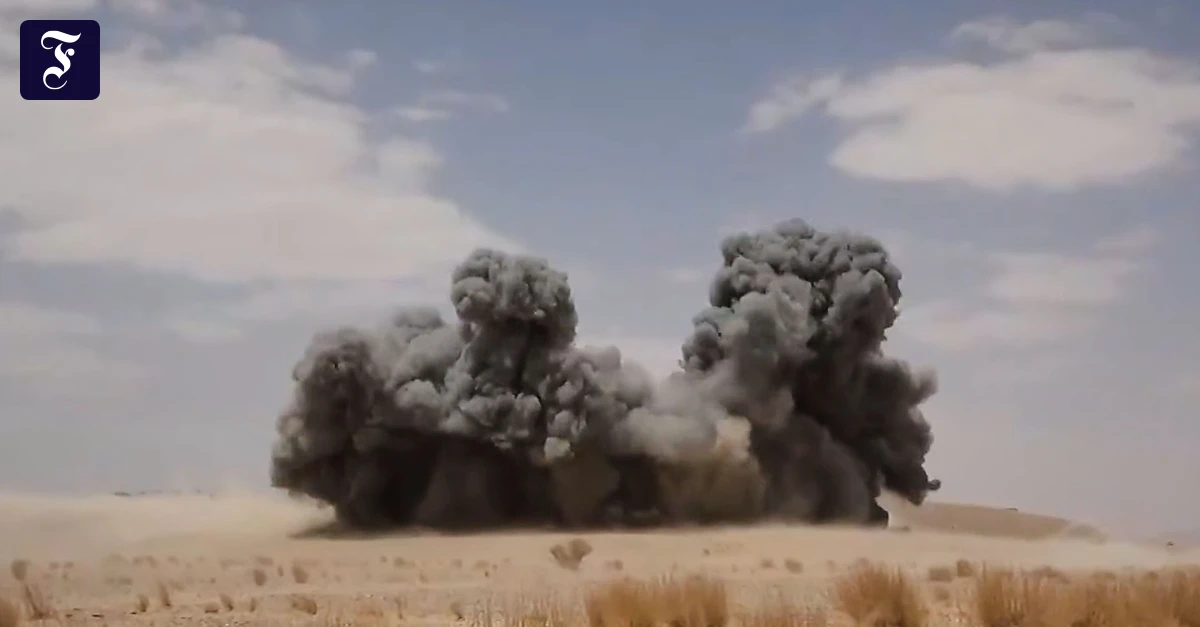
Saudi Arabia’s leadership is combative: “No one should underestimate our resilience and determination,” Rayed Krimly, deputy minister of public diplomacy at the Foreign Ministry, told a select group of journalists recently. He spoke about the painful drone and missile attacks of Yemeni Houthi rebels, who repeatedly succeed in overcoming Saudi air defenses. The airport in the capital Riyadh was hit hard and had to cease operations. At the headquarters of the state-owned oil company Aramco, it also struck. But the announcements from Riyadh can hardly hide the fact that the escalation of the Yemen conflict has turned into a serious test. There seems to be no good way out of the conflict for Saudi Arabia, the leading power of an anti-Huthi alliance. A deal with Iran-backed Houthi rebels would currently harm Riyadh rather than benefit it. Yemeni extremists have resorted to blackmail and maximum demands. They are demanding money and the lifting of the Saudi-led blockade against their northern Yemeni dominion, which includes the capital Sanaa. And they want the actual recognition of their claim to power. Significant concessions would cement, not diminish, the threat posed by the rebel movement in the longer term. It would also send out the devastating signal that Saudi Arabia’s leading Arab power can be blackmailed by attacks on civilian infrastructure. The attacks hit Saudi Arabia at a sensitive point remains the option to increase military pressure to raise the price for the Houthis – in the hope that they will eventually give in. But this is a risky strategy. Yemeni extremists have proven to be enormously resilient, hard-hearted and ruthless over many years of war. Riyadh-led anti-Houthi operation “Yemen’s Dawn” is not yet a test of the rebel movement’s pain tolerance. But their attacks hit Saudi Arabia at an extremely sensitive, ultimately vital point: They shake the rulers’ promise that Saudi Arabia is a haven of stability and a safe location for future technologies and tourism. This in turn damages the major reform project of the crown prince and de facto ruler Muhammad Bin Salman, who wants to make his country independent of the oil revenues and thus equip it for the future. The Houthi attacks also undermine the authority of the internal leadership, which promises the population prosperity and security in return for allegiance. Riyadh can only rely on foreign aid to a limited extent. Donald Trump is hesitant. Regional allies such as Turkey and Pakistan are only reluctantly engaged despite a defense pact. With the United Arab Emirates, actually an important ally, the Kingdom has divided in the Yemen conflict. Riyadh is right about one thing: The Houthis have long been a problem for the entire region, for the global economy and thus a threat also for Europe and the USA. And should Saudi Arabia run out of resilience, should its economic restructuring work get into trouble, those who play the destabilization in the cards will benefit. First and foremost, the Iranian regime.
Source: FAZ ›




Comments (0)
No comments yet.