Will the Upswing in Germany Bring More Jobs?
Tens of thousands of jobs are at risk in the industry. At the same time, economists expect the German economy to grow stronger than anticipated. Can this halt the job cuts? By Sebastian Schreiber.
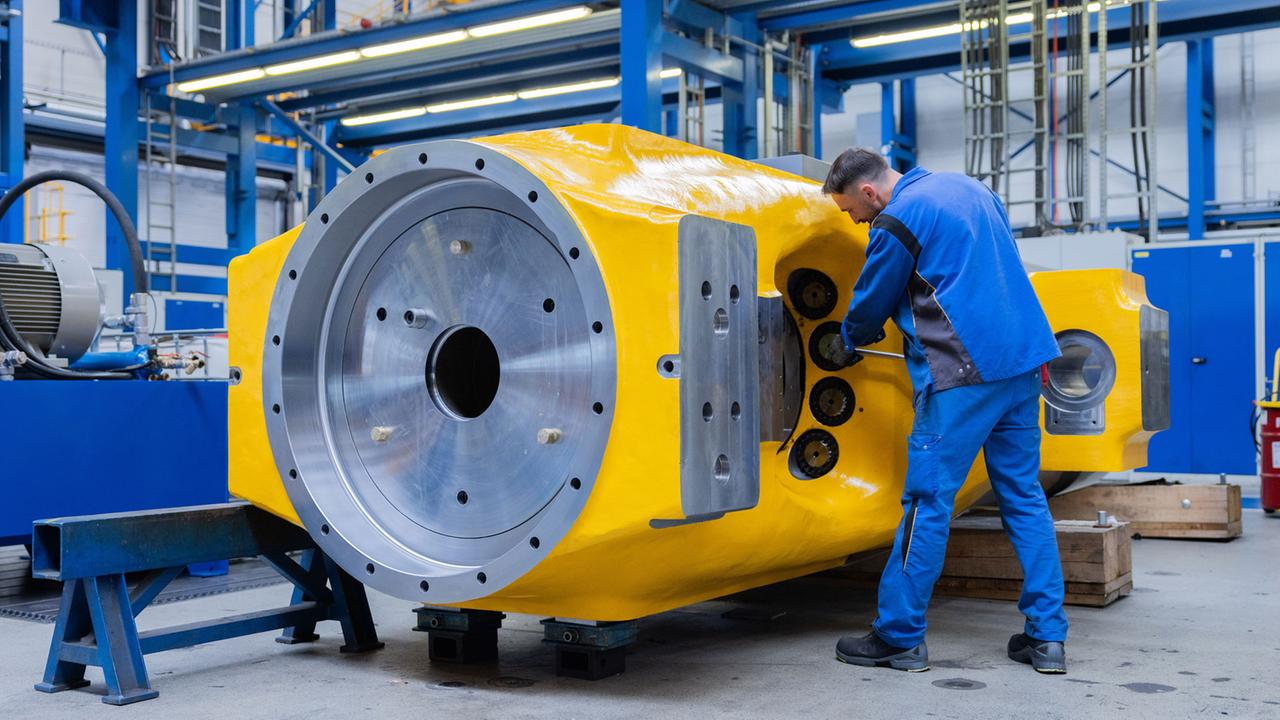
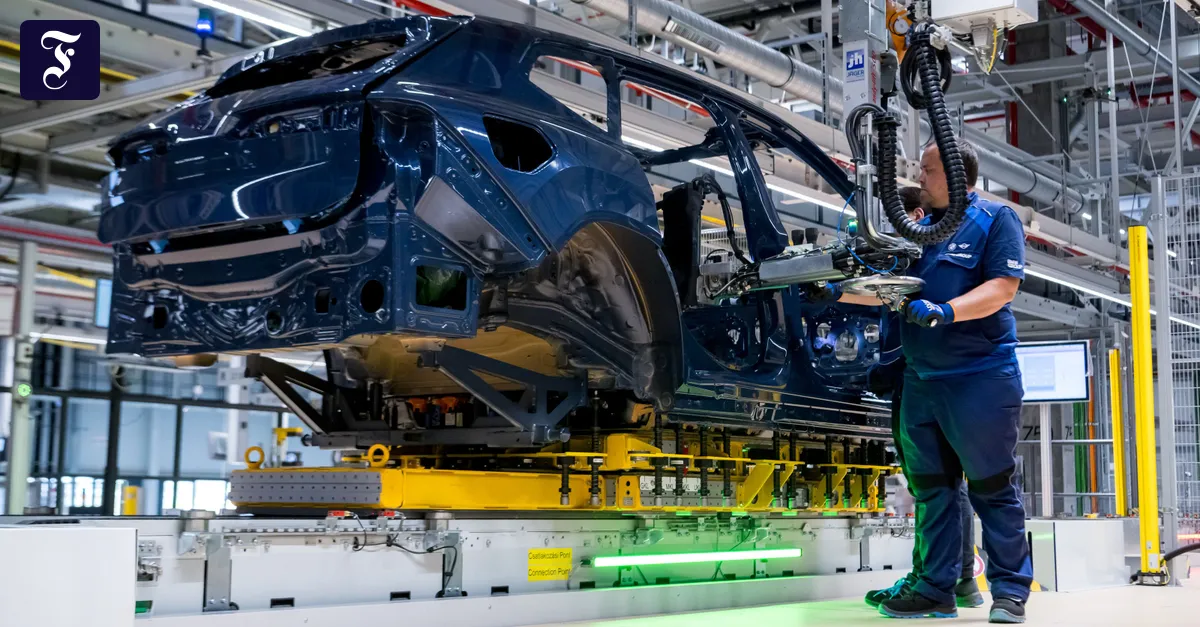
In industry, tens of thousands of jobs are at risk. At the same time, economists expect the German economy to grow faster than expected. Can this stop the job cuts? The car industry is the problem child on the German labour market. Manufacturers and suppliers put the red pen on. At Bosch, ZF, Schaeffler or Continental, thousands of jobs are to be eliminated. Large manufacturers are also restructuring their companies. Volkswagen, for example, wants to cut 50,000 jobs in the coming years – in addition to already agreed savings plans. The transformation of the industry has already left a clear mark. According to the Federal Statistical Office, in the German car industry last worked as few people as since 2005. The challenges are symptomatic. In competition with other, cheaper production locations, the industrial location Germany can no longer compete. Especially the competition from China makes the companies problems. KI causes uncertainty Jutta Rump, an expert from the Institute for Employment and Employability in Ludwigshafen, speaks of a complex situation: "We have a very strong pressure on business models, which are sometimes significantly redefined." Rump sees a technological revolution around the topics of digitalization and artificial intelligence. The companies are not sure which qualifications and competencies are still necessary in the future: "And there you are just trying to feel a bit," said the labour market expert in an interview with the ARD financial editorial team. However, the uncertainty leads to companies currently refusing to hire new employees. Economic stimulus could stimulate the labour market The economic situation has also burdened companies and thus the labour market. In recent years, the German economy has been under pressure, fighting against the recession. The labour market has been losing momentum for months. In September, the unemployment rate was 6.4 percent, slightly higher than a year ago. However, economists expect the economy to gain some momentum again. Both the Federal Government and the International Monetary Fund have recently revised their forecasts for Germany upwards. They assume that gross domestic product will grow by 1.3 percent this year – and thus as strong as it has not been since 2022. Jörg Krämer, chief economist of Commerzbank, expects that the stronger economy will slowly become noticeable on the labour market: "The phase of declining employment should now come to an end," says Krämer. Situation in industry remains tense The recovery of the economy does not mean, however, that ailing companies - for example from the automotive industry or mechanical engineering - still stop or restrict their already planned job cuts. Economist Jörg Krämer sees other reasons for a revival of the labour market. There is a sector that is booming very strongly. This is the state or state-related things, such as elderly care or sickness. And that compensates for that right now. But this is not a positive development for the economy. If the state expands, Krämer says, this weakens productivity and innovative strength. This means that not only the current recovery of the economy, but also an imminent revival in the labour market is likely to be largely due to the investment programs of the Federal Government. The problems of industry remain - and so does the concern of many employees for their own jobs.
Source: tagesschau ›

Comments (0)
No comments yet.