Germans like noodles - preferably from abroad
The consumption of noodles in this country has doubled since 1990. Germany is also one of the largest producers in the EU. The undisputed leader is Italy, followed by Spain.
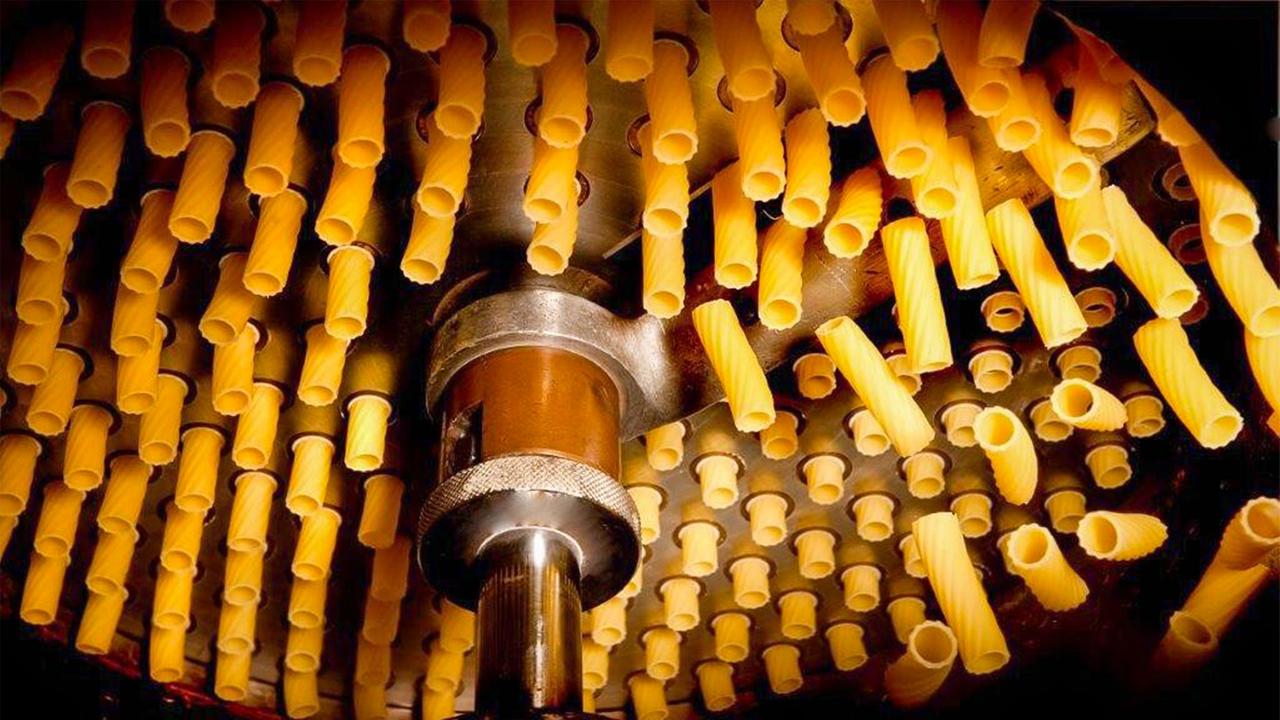
The consumption of noodles in this country has doubled since 1990. Germany is also one of the largest producers in the EU. The undisputed leader is Italy, followed by Spain. Spaghetti, Fusilli or Penne: Italian noodles continue their triumphal march in Europe and Germany. 4.2 million tons of pasta were produced last year between Bolzano and Palermo, more than in any other country in the European Union, as the Federal Statistical Office, citing data from the EU statistical authority Eurostat, announced. That was 69 percent of the total European production of 6.1 million tonnes. On the Eurostat list of producer countries, Spain comes in second with 379,000 tonnes or six percent, while Germany comes in third with an increase to a good 304,000 tonnes. This corresponds to 5% of the noodles produced in Europe. The volume of uncooked pasta sold was reported. Especially loyal customers are the people in Germany, whose per capita consumption of noodles has more than doubled to 10.1 kilograms since 1990, as the Association of German Grain Processors and Starch Manufacturers (VDGS) finds. In addition to dried noodles, the offer of fresh noodles on the refrigerated shelf also grows. A special feature of German production is the high proportion of egg noodles. Last year, almost half (46 percent) of the noodles produced in this country contained egg. For comparison: In the EU average, it was only 18 percent. In the classic noodle country of Italy, only 17 percent of the pasta egg contained, in Spain it was even only two percent. But also in Germany, Spätzle and Co. are on the retreat. According to earlier data from the Federal Office, since 2023 more noodles without eggs are produced in this country than those containing eggs. Despite the generally increasing consumption of noodles, the production of German egg noodles has declined by more than a quarter within ten years. The Association of Grain, Mill and Starch Industry (VGMS) wants to clean up with the prejudice that good noodles only come from Italy. Italy quite rightly has a great pasta tradition. But this has obviously created the picture that good pasta must inevitably come from Italy, while egg noodles and Spätzle come from Germany, said VGMS Managing Director Peter Haarbeck. This will no longer do justice to the offer of German manufacturers. According to the association, German manufacturers produce a wide variety of classic durum wheat pasta to regional specialties. The durum wheat required for this has long been growing in Germany, which enables a complete regional value chain. Increasing frequency of domestic durum wheat According to the Starch Association, 464,000 tons of Durum were ground in the eight German mills last year, as the grain is also called. Only a smaller part has to be imported, because the currently estimated harvest volume has risen to 361,400 tonnes. Nevertheless, about three quarters of the noodles consumed in Germany now come from abroad, although the per capita consumption is around ten kilograms per year. "The pass of the noodle is not a quality parameter," Haarbeck said. Quality is a question of raw materials and know-how. He advised consumers to pay attention to the country of origin when shopping.
Source: tagesschau ›


Comments (0)
No comments yet.