EU-Parliament: centre-groups conclude combustion engine compromise
The goal in Europe is to remain the switch to e-cars - despite this, the negotiators of various parties in the EU Parliament have now agreed on a softening of the "combuster phase-out". But the final vote is still pending. By J.-M. Magro.
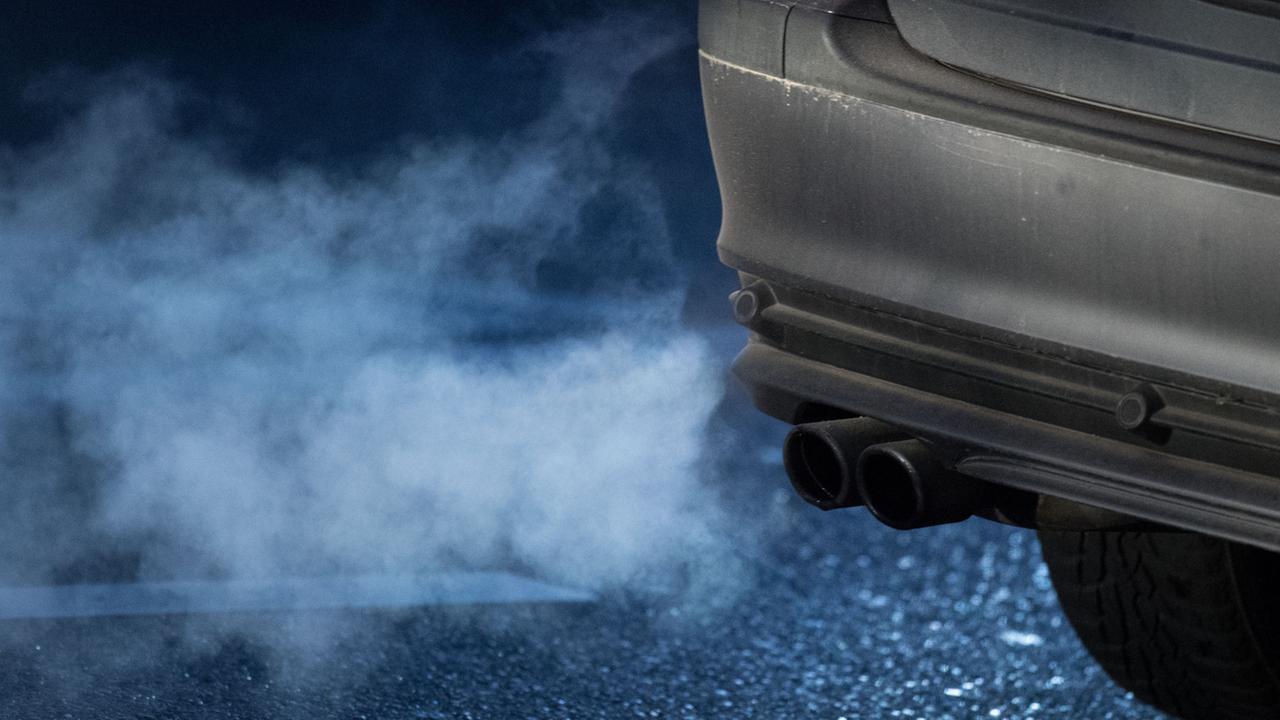
The goal in Europe is to remain the switch to e-cars - despite this, the negotiators of various parties in the EU Parliament have now agreed on a softening of the "combuster phase-out". But the final vote is still pending. For more than two years, Manfred Weber (CSU) has made a great promise to his voters. Now, in the opinion of the party and group chairman of the conservative EPP in the European Parliament, the great moment has come to proudly announce: "The unspeakable combustion engine off" has now "off the table". In the last parliamentary term, Social Democrats, Liberals, Greens and Leftists had decided - as Weber calls it - "Burner-Off". From 2035, no new cars should be registered in Europe that emit CO2 on the exhaust. Overnight, negotiators of Weber’s European People’s Party (EPP), Social Democrats and Liberals have now agreed on a softening. Compared to the comparison year 2021, new cars would therefore no longer have to save 100, but only 95 percent CO2. A further 7.5 percentage points less are possible if climate-friendly steel "Made in Europe" was installed in the car. "The goal in Europe remains to switch to electromobility" The SPD MEP Tiemo Wölken, who co-negotiated the compromise, says: The goal in Europe remains the switch to electromobility: "At the same time, however, manufacturers will get more flexibility in achieving the goals in difficult times, and thus hybrid vehicles will also remain as an option in a transition phase, but with clear specifications, especially regarding the electric range." EPP politicians, including the CDU and CSU, urged that further exemptions be created for cars fuelled with renewable and low-emission fuels. Here, says SPD politician Wölken, the Conservatives have been able to negotiate: “In the approval of vehicles that run exclusively on low-emission fuels, we have been able to limit the use of biofuels and thus a decisive line of protection for climate and nature.” The Greens, in the person of MEP Michael Bloss, fear that the agreement will be exactly the opposite of what Weber promises: This is now chaos instead of planning security. Every plant that does not switch to e-cars today will be on shaky foundations tomorrow. In Beijing, the champagne corks are likely to pop if Europe continues to grow the lead in the electric car. Bloss says that at a time when more and more e-cars are sold, the technology would now be weakened. New impetus in the negotiations came after Germany and France agreed on a joint paper last Friday. France gave up its opposition to the so-called combustion ban. In return, the German government now supports "Made in Europe" regulations in the state promotion of cars. This also forced the European Parliament into action. “The agreement between Germany and France is helpful – and now the agreement in the European Parliament,” said EPP CEO Weber. On both sides, it now enables us to move forward quickly and achieve results. Planning security is now the most important thing. On Thursday, both the Committee on Transport and the Committee on Industry will vote. At the beginning of November, the lead Environment Committee will follow. The final vote in plenary will take place in December. Social Democrats and Liberals have yet to agree to the agreement negotiated by their negotiators. This is considered likely. However, the European Parliament is always good for a surprise.
Source: tagesschau ›

Comments (0)
No comments yet.