The consequences of the oil disaster?: More and more animals disappear from the Gulf of Mexico
Krill, lantern fish, and cephalopods — these marine animals are disappearing from the Gulf of Mexico at a frightening pace, according to a new study. Genetic diversity is also shrinking dramatically, warn researchers from Florida. What an oil spill has to do with it.
Krill, lantern fish, and cephalopods — these marine animals are disappearing from the Gulf of Mexico at a frightening pace, according to a new study. Genetic diversity is also shrinking dramatically, warn researchers from Florida. What an oil spill has to do with it.
In large areas of the Gulf of Mexico, animal populations and genetic diversity have drastically declined since 2011, according to a study. Researchers suspect a connection with the severe oil disaster on the Deepwater Horizon rig in 2010, as they report in the journal Proceedings of the National Academy of Sciences (PNAS). They studied the northern and eastern Gulf.
From 2011 to 2015, the population declined by 60 to 85 percent depending on the group of animals there, according to researchers led by Tracey T. Sutton of Nova Southeastern University in the US state of Florida. The low numbers of fish, crustaceans and cephalopods in the depths of the ocean have persisted for more than a decade. The team evaluated data up to 2023 from various analyses.
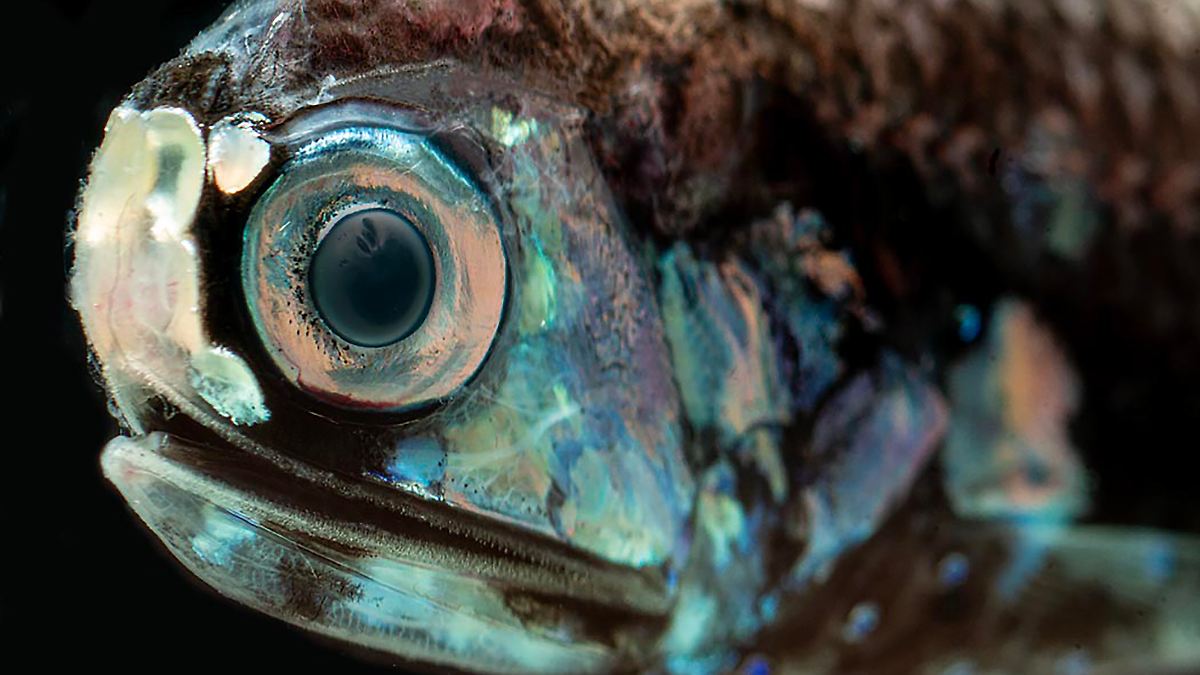
Particularly affected are ecologically fundamental animal groups such as certain krill species (Euphausiacea) and lantern fish, which belong to the deep sea fish. These species contribute to the carbon cycle and are central food sources for larger sea creatures such as tuna, whales and a range of seabirds.
Genetic analysis of three lantern fish species also indicates a decline in genetic diversity. This is both a confirmation of the stock decline and a consequence of it, the researchers report.
According to the evidence available, natural phenomena are excluded as probable causes. Rather, a large-scale pollution event and the associated countermeasures are likely to have triggered the decline, according to the researchers.
According to the study, the loss began shortly after the explosion on the Deepwater Horizon rig. The oil disaster is the most plausible explanation. After the explosion, about 780 million liters of oil poured into the sea.
Source: n-tv ›




Comments (0)
No comments yet.