Four years ago countries made a historic deal to save nature. Is it dead in the water?
So far not a single target of the plan has been met. As negotiators convene for Cop17, the pressure is on to find a way to honour the commitments made at previous summitsCop17 at a glance: everything you need to know about the UN’s nature summitPassersby could smell the dead fish before they saw them. In August, more than 3,000 pike, roach, carp and rudd were found lifeless along the River Wensum in Norwich. Some gasped for air in their final moments, desperate for the oxygen that heatwave conditions had depleted in the water. Investigators believe that the die-off was triggered by h...
So far not a single target of the plan has been met. As negotiators convene for Cop17, the pressure is on to find a way to honour the commitments made at previous summits
Cop17 at a glance: everything you need to know about the UN’s nature summit
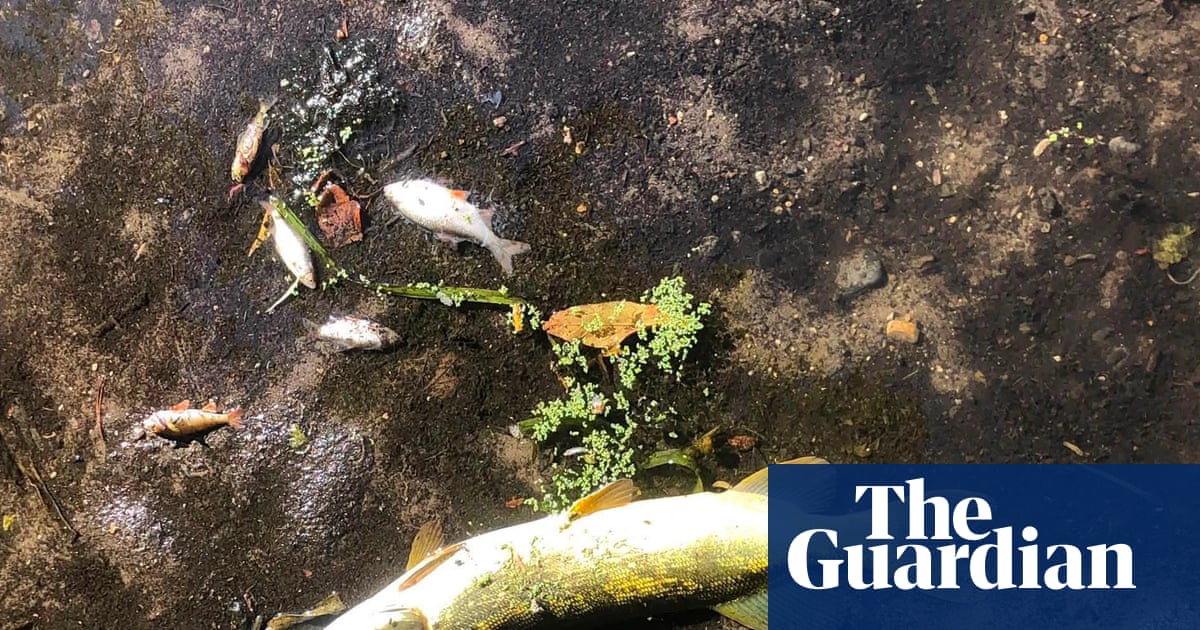
Passersby could smell the dead fish before they saw them. In August, more than 3,000 pike, roach, carp and rudd were found lifeless along the River Wensum in Norwich. Some gasped for air in their final moments, desperate for the oxygen that heatwave conditions had depleted in the water. Investigators believe that the die-off was triggered by heavy rainfall that flushed through high concentrations of pollution at a time when wildlife were already struggling.
The 45-mile (70km) chalk river is one of about 250 in the country. They are a geological accident almost unique to Britain – and one of Earth’s rarest habitats. They emerge from chalk aquifers and are home to species such as freshwater shrimp, otters and stoneflies, also providing drinking water for millions of people. But just 11 have formal protection, with many ravaged by sewage pollution and overextraction. The Norfolk river is one of the few that does have legal protection, but it is in poor ecological health.
“We are a world away from the crystal clear, free flowing and mineral-rich waters they could, and should be,” says Eliot Lyne, head of the Norfolk Wildlife Trust.
This decade was meant to signal a change in humanity’s relationship with the natural world. At the end of 2022, nearly every government on Earth committed to an ambitious deal to better protect the world’s rapidly disappearing biodiversity at a summit in Montreal, Canada. Negotiators shook hands on targets that included protecting 30% of the planet for nature, restoring nearly a third of the planet’s most degraded ecosystems, and reforming at least $500bn (£375bn) of environmentally harmful subsidies.
Some scientists say that we are living through the largest loss of life since the time of the dinosaurs, putting a million species at risk of extinction. This time, humanity is the meteor. The Montreal agreement was the response.
But four years later, governments look almost certain to miss nearly all of the deal’s targets – potentially continuing the record of never having met a single UN target on nature since the biodiversity convention was created at the Rio Earth Summit in 1992. The UK, one of the loudest voices demanding ambition in Montreal, is on track to meet just three of the 23 targets by the end of the decade. This week, countries gather at Cop17 in Yerevan, Armenia, to decide what to do next.
On the eve of the summit, at the launch of a report showing just how far off track the world is on meeting those commitments, António Guterres, secretary general of the UN, warned that lack of progress means “the war on nature has not ended” and that “nature will not survive on good intentions”. Following this, in an address to leaders at an event in Armenia, Guterres once again emphasised the importance of action on subsidies in particular. “Subsidising fossil fuels is subsidising suicide,” Guterres said.
“They are boiling our planet and are the scourge of biodiversity. I urge governments everywhere to end these handouts once and for all, and to use the savings for people and planet instead.”
“There’s a massive gap between countries agreeing to do something and actually doing it,” says Zac Goldsmith, former UK government minister when the deal was reached. “That’s where we are today.”
British conservationists point to a growing gap between government rhetoric and action. “The UK is back on the international stage on nature,” then environment secretary Steve Reed declared while standing under the skeleton of a blue whale at the Natural History Museum in the first few months of the Starmer government. Since then, the government has weakened rules on biodiversity net gain in England, slashed tens of millions of pounds of funding for rainforest protection schemes as part of aid cuts, and rejected an outright ban on bottom trawling in marine protected areas. No new sites of special scientific interest have been designated by Natural England to protect rare wildlife and habitats since 2023.
“For us to go around the world telling other countries that they must achieve these targets without us having a plan how to deliver them at home is a form of neocolonialism,” says Craig Bennett, head of The Wildlife Trusts. “We’ve got to pull our socks up and get serious about delivery at home. We are the nation of Sir David Attenborough. We are animal and nature lovers.”
A UK government spokesperson said it has backed a nature recovery and climate resilience with £7bn of funding, and implemented new powers to tackle water pollution, fund species recovery and support international conservation work.
The UK has also reinstated its climate aid commitments, apparently abandoned earlier this year, pledging around £6bn of international climate finance from the aid budget over the next three financial years, with around a quarter expected to be spent on nature.
Jonathan Hall, managing director of Conservation International UK, told the Guardian: “Re-instating the ditched goal for international nature funding as part of UK climate aid is smart politics, given UK public support, and a smart investment in our global security and resilience in the face of ecosystem collapse. This very welcome re-commitment now needs to be accompanied with increased transparency so we can ensure this approximately £1.5bn is disbursed as impactfully as possible.”
But the urgency of the warnings has not changed. Earlier this year, a report by intelligence chiefs warned that ecological collapse is a national security risk, threatening the country with food shortages, economic strife and global disorder. But nature has been unable to escape the swirling global current of populist culture wars.
In the Netherlands, efforts by the EU, in 2019, to crack down on…
Source: The Guardian ›

Comments (0)
No comments yet.