Living Without Health Insurance - Increasing Number of People Affected
In Germany, around 72,000 people are not insured, according to official statistics. The actual number is much higher. Aid organizations such as Doctors of the World estimate that it is hundreds of thousands. Increasing trend. By Susanne Babila.
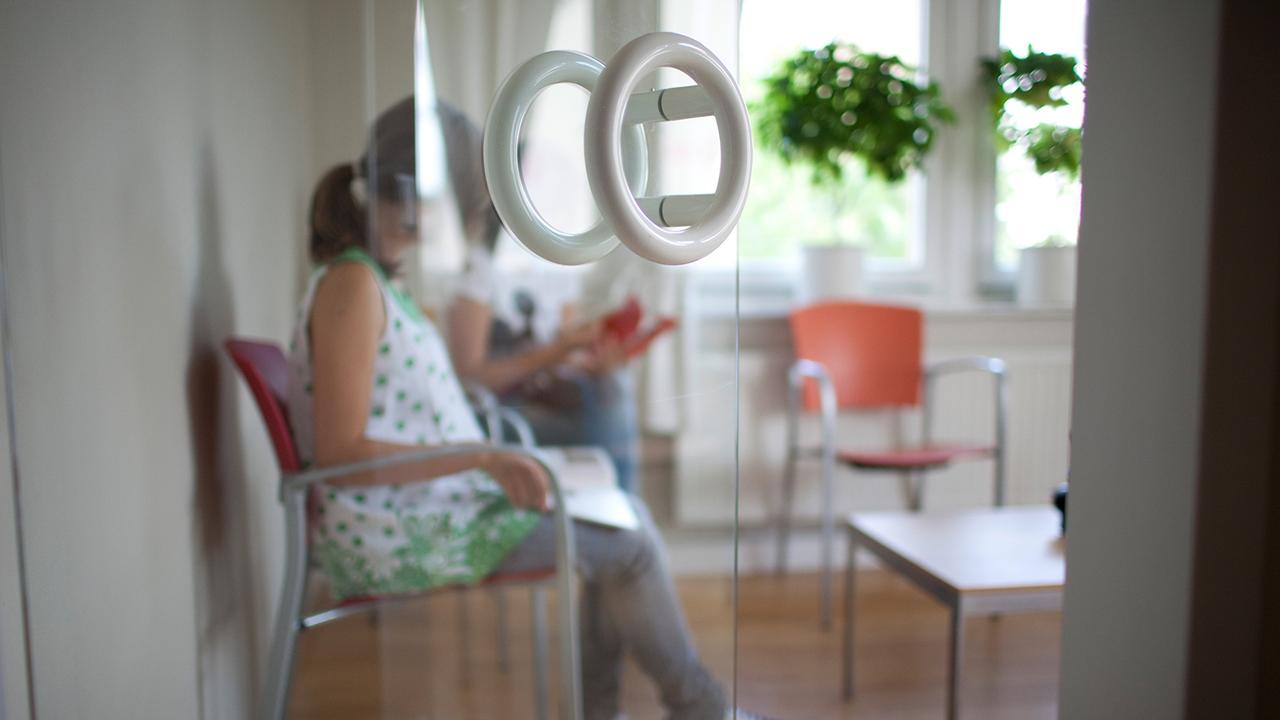
In Germany, around 72,000 people are not health insurance, so the official statistics. The unreported figure is much higher. Aid organizations such as Doctors of the World estimate that there are hundreds of thousands. The trend is rising. By Susanne Babila, SWR Some patients have already arrived in the waiting room of the Stuttgart practice of "Malteser-Medicine for people without health insurance". General practitioner Wolfgang Steigleder, who works voluntarily in the practice, begins the consultation time at 10 o'clock. His first patient is Georgian. The 56-year-old drags himself into the treatment room with crutches, because he has a large bandage on his foot. The diabetic had two toes amputated. On a couch Wolfgang Steigleder gently removes the gauze bandage and the sterilized wound dressing. "The wound has healed well," explains the doctor in retirement. He is pleased about this, because wound healing is much slower in diabetics and they suffer from serious secondary diseases if they are not regularly treated and cared for by a doctor. Many patients often come to us with a complication of the first disease. The patient lives in Baden-Württemberg and, like most patients, wants to remain anonymous. Usually out of fear, caution or shame. Also affected pensioners, students and solo self-employed In the Stuttgart practice for people without health insurance, the number of patients has tripled in the last two decades. Many come from third countries or from the European Union. If the language barrier is too big, you help with translation aids, so Steigleder. Among the patients are, in addition to the residents and people without valid residence status, also students, pensioners and many solo self-employed who cannot or can no longer afford the contributions to the statutory or private health insurance. A Croatian patient worked for five years as an independent interior builder on German construction sites. On the recommendation of his client, he took out a private travel health insurance and tried to be included in the statutory health insurance. Without success. Then came Corona and with the pandemic the professional lull. A short time later he suffered a heart attack and got a pulmonary embolism. The hospital costs of 4,200 euros, he pay today in small installments, says the today 60-year-old. If he wanted to get a statutory or private health insurance, he would have to pay back the insurance contributions of the last ten years, because as long as he already lived in Germany. But he could not afford that, so the patient continues. A clearing house helps clarify the supply situation In a clearing house, which is located in a niche of the practice rooms, advise patients in order to show them a way into the regular health system. Often patients are overwhelmed with the clarification of their insurance situation and bureaucratic hurdles make it difficult for them to orient themselves. Every case is an isolated case, explains a social worker of the clearing house, and this shows how complex our healthcare system is. Together with the patients, she is looking for solutions. Some have slipped into emergency or rest tariffs because they have contribution debts, or refugees are basically only entitled to the treatment of acute diseases and pain in the first three years. And others, such as the Croatian patient, fell completely out of insurance coverage. The patient suffering from diabetes must also have urgent access to regular doctor visits, so doctors Steigleder. Diabetes is a chronic disease. If the patient is not regularly monitored and treated by a doctor, this could have life-threatening consequences. Number of patients without health insurance is increasing The practice in the south of Stuttgart is bursting at the seams. We are looking for suitable consultation rooms to expand the clearing house, says Regine Martis, who coordinates the Maltese area. The number of patients has tripled over the past two decades: from 145 to 413 patients. Patients come to us with the full range of diseases, from respiratory infection to heart attack, says Regine Martis. Also pregnant women or people who are terminally ill and need palliative care. But in addition to the treatment, it is extremely important that patients find a place in our health insurance system. "We are seeing good results, namely that half and perhaps even more than half of patients can actually be placed in health insurance."
Source: tagesschau ›



Comments (0)
No comments yet.