New EU strategy: Why the Arctic is becoming a security risk
For a long time, the Arctic was regarded as a region with few tensions. However, the geopolitical situation has changed fundamentally, and climate change is also affecting the far north. A new EU strategy is intended to take this into account. By A. Bartram.
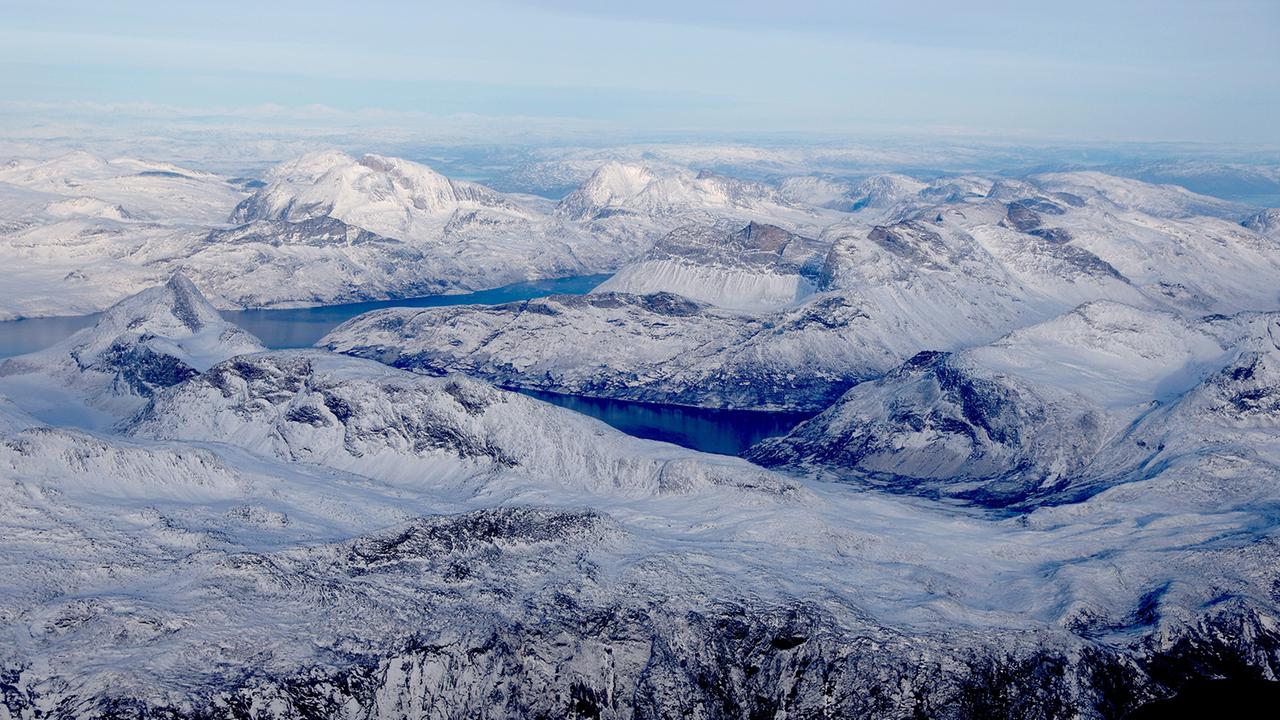
For a long time, the Arctic was regarded as a region with few tensions. However, the geopolitical situation has changed fundamentally, and climate change is also affecting the far north. A new EU strategy is intended to take this into account. By Arne Bartram Norway has a long coastline, and its ports are vital to the country. However, they are increasingly coming under scrutiny for security reasons. The Norwegian Security Service (PST) has observed that foreign actors are attempting to spy on critical infrastructure. Ports, in particular, are a focus of attention. “We are observing that a number of countries have a very keen interest in the Arctic. This applies above all to Russia, but also to China,” Jon Fitje Hoffmann of the Norwegian Security Service told broadcaster NRK. Such reconnaissance could also serve as preparation for possible acts of sabotage. The Arctic is no longer merely a remote icy landscape. It is a strategically important region, including for Europe. The European Union therefore intends to revise its Arctic strategy. Since the last strategy was drawn up in 2021, the security situation has changed fundamentally. Russia is expanding its military capabilities Since the invasion of Ukraine, Russia has been expanding its military capabilities in the Arctic, whilst China is showing increasing interest in the region’s transport routes. Added to this are tensions between Western allies. These include the dispute over Greenland, which belongs to the Kingdom of Denmark and is of strategic importance to the US. This raises the question for the EU of how it can better protect its interests in the Arctic. The European countries bordering the Arctic include Sweden and Finland, both of which are EU members. Although Norway and Iceland are not part of the EU, they cooperate closely with it. Melting ice opens up new routes As well as security concerns, climate change in particular is transforming the region. According to researchers, temperatures in the Arctic are rising significantly faster than the global average. The ice is melting, new shipping routes are becoming accessible and raw materials are easier to reach. Whilst this opens up economic opportunities, it also brings new risks. “Temperatures in the Arctic are rising three to four times faster than elsewhere,” says Helmi Rantala, a researcher at the Swedish Institute of International Affairs. Whilst the melting ice is creating new opportunities, it also has consequences for local people, for example in terms of roads and road safety. As the region becomes increasingly developed, the importance of a reliable infrastructure is also growing. Safe ports and transport routes are not only economically important for the neighbouring countries; they also play a central role in military defence. Ports are strategically important for Norway; Norway is particularly reliant on shipping. Around 90 per cent of trade with other countries is carried out by sea. At the same time, the ports are vital for bringing military support from allies into the country in the event of a crisis or war, says Kyrre Haugen, Chief of the Norwegian Navy. The EU is therefore likely to give greater consideration to infrastructure in its new Arctic strategy. This includes secure ports, reliable transport links and the protection of critical infrastructure. At the same time, it must clarify how it intends to cooperate with partners such as Norway, Iceland and Canada, not least in view of US interests in the region. Don’t forget the local people Amidst all the security issues, political scientist Rantala warns against viewing the Arctic solely as a strategic playing field for major powers. People live in the region, including EU citizens: “The Arctic is not a deserted, remote area; people live there, including EU citizens. And it is about their living conditions, their health and their mobility – that is important too,” says the researcher. The EU therefore faces a difficult task: it wants to strengthen its security in the High North and respond to growing geopolitical tensions. At the same time, it must take into account the consequences of climate change and the needs of the people in the region. The old motto for the Arctic – ‘High North, low tension’ – is becoming increasingly out of step with a region where military interests, new trade routes and climate change are increasingly coming into conflict.
Source: tagesschau ›


Comments (0)
No comments yet.