Study Reveals that 7 out of 10 Primary School Pupils in Jakarta Have Cognitive Difficulties
A study by the Indonesia Health Development Centre (IHDC) involving 1,007 respondents found that 7 out of 10 primary school pupils in Jakarta experience cognitive difficulties.
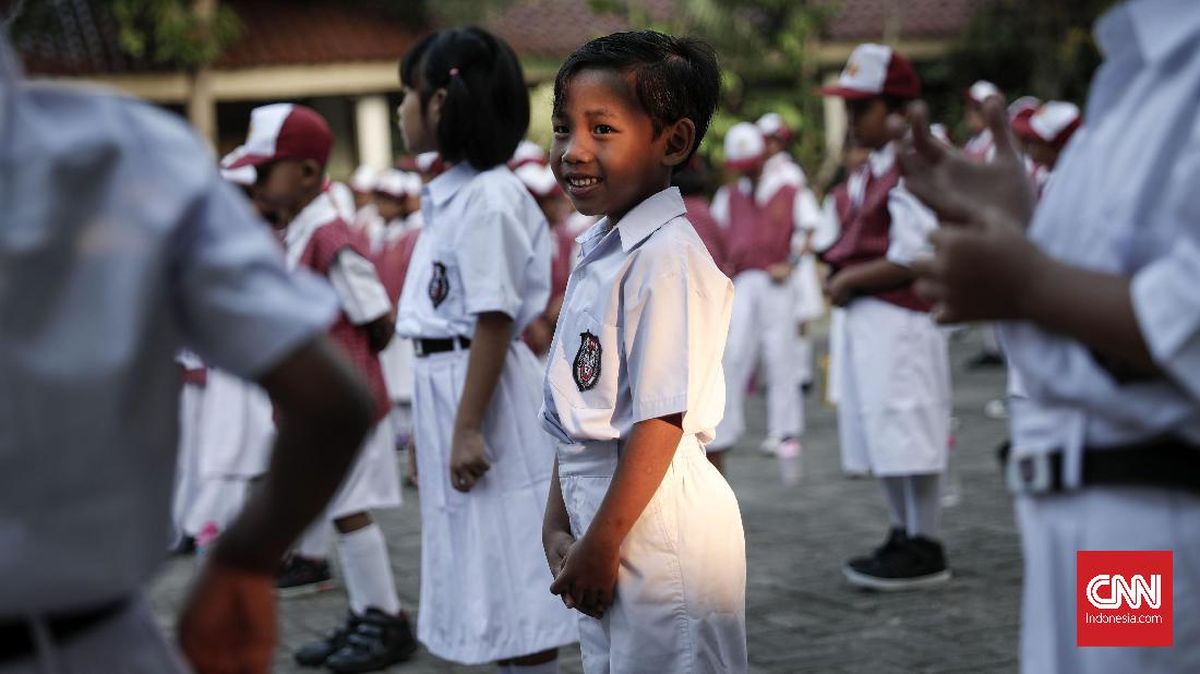
The Indonesia Health Development Centre (IHDC) has published the findings of a study on the cognitive burden of primary school children in Jakarta. The results show that 68.5 per cent, or 7 out of 10 respondents, have cognitive difficulties.
The study was conducted amongst 1,007 pupils in Years 4, 5 and 6 at a number of state primary schools in Jakarta.
According to detikhealth, in this study, cognitive function was not measured solely by school report marks or IQ tests. Rather, cognitive function encompassed pupils’ ability to concentrate, remember information, process subject matter, and interact with their peers.
Ray Wagio Basrowi, Executive Director of the IHDC and Head of the Research Team, explained that this study captures the real-life conditions of urban children using a cross-sectional method.
In this study, the team identified four main factors that hinder children’s cognitive performance. These include visual impairments, iron deficiency, insufficient protein and energy intake, and mental health issues.
Clinical measurements revealed that 30 per cent of pupils had refractive errors. Analysis showed that the group at moderate to high risk of vision impairment was 3.1 times more likely to experience daily cognitive impairment than children without such risks.
A high risk of anxiety was also found to correlate with a 3.3-fold increase in daily cognitive impairment.
Meanwhile, from a nutritional perspective, significant barriers were identified regarding children’s daily intake of iron and protein.
“Children who struggle to concentrate need to have their health checked, rather than being hastily labelled as lazy. Difficulty seeing the blackboard or unmanaged anxiety are directly linked to daily learning difficulties,” explained Ray in Central Jakarta on Monday (19 October).
In light of these findings, the IHDC is calling for concrete interventions that can be implemented within the school environment. Firstly, the organisation of eye screenings in schools, integrated with the provision of free spectacles.
Secondly, psychological referral pathways and emotional support within schools to create a safe learning environment.
Source: CNN Indonesia ›




Comments (0)
No comments yet.