The one change that worked: I deleted Instagram – and embraced the joys of a truly private life
I’d become obsessed with appealing to my invisible audience. But since I ditched the app a year ago, my quieter moments have taken on brilliant new meaningI first downloaded Instagram when I was 17 and became hooked on it the way most people fall in love: slowly, and then all at once. For a long time, I never considered myself a social media addict. I self-righteously refused to download TikTok, declared Snapchat to be for “children”, and posted less regularly on Instagram than half of the people I followed.As I went through my university years, however, certain changes crept up on m...
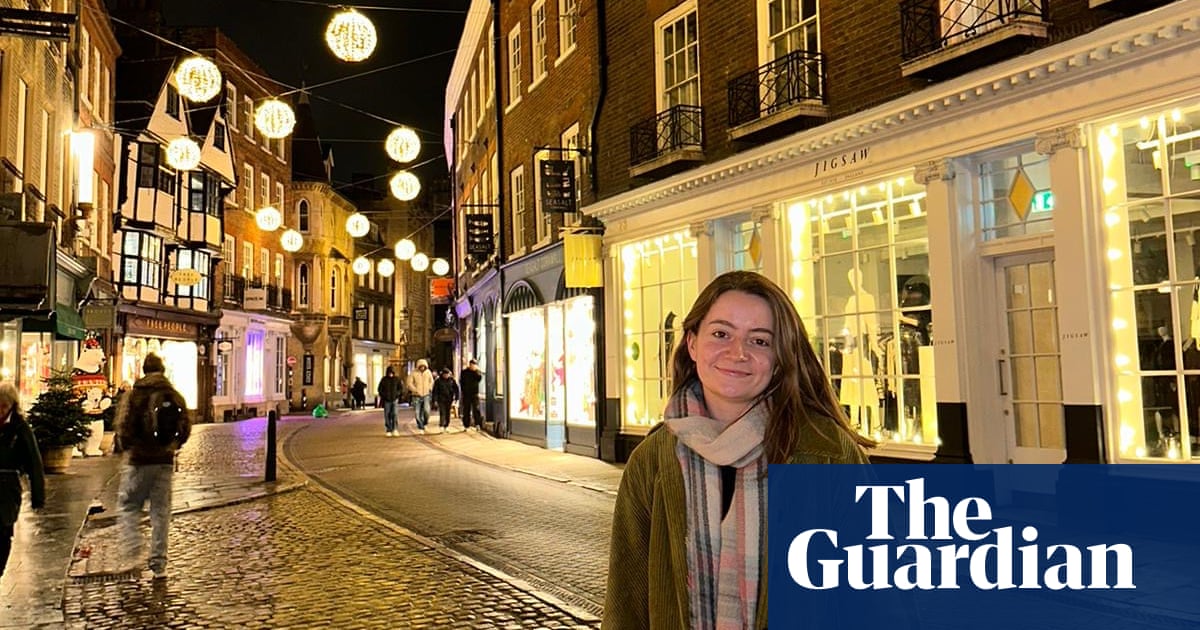
I’d become obsessed with appealing to my invisible audience. But since I ditched the app a year ago, my quieter moments have taken on brilliant new meaning
I first downloaded Instagram when I was 17 and became hooked on it the way most people fall in love: slowly, and then all at once. For a long time, I never considered myself a social media addict. I self-righteously refused to download TikTok, declared Snapchat to be for “children”, and posted less regularly on Instagram than half of the people I followed.
As I went through my university years, however, certain changes crept up on me. I began to swap reading – or essay-writing – for hours spent curating new posts. On my way home from lectures (or later, from my work as a journalist), I would spend ages trying to take the artsiest, most perfect picture of that evening’s sunset for my story – as if the people who followed me were eagerly awaiting yet another photo of one of the Earth’s rotations. What usually followed was a night of reloading my feed to see how many people had reacted to my post – or worse, hadn’t reacted at all.
It wasn’t until a trip to Sri Lanka last year that I realised how far my obsession had gone. My partner and I spent two weeks travelling through Negombo and Kandy, having dinner in front of the Indian Ocean and visiting ancient heritage sites that I will probably never see again.
This would have been memorable even without a third guest: my inner Instagram monologue. It commented on everything I saw in those two weeks, debating the merits of each photo I took and the possible captions (or music, or filters) that could accompany it. On one of our last days, we hiked up Sigiriya, an incredible rock fortress that has been inhabited since prehistoric times and is one of the most remarkable places I have ever seen.
My first thought upon reaching the top? This has to go on my story. Already, I was imagining how it would look on Instagram. I dutifully made several posts upon my return to London, which were accompanied by hours of anxious scrolling and reloading, wondering why more people weren’t liking or commenting on my feed. Did they think I was annoying? Boring? Ugly? Had I been ungenerous with my own likes and comments, causing my followers (a grand total of 400) to band together to punish me? Should I delete the post? Redo it?
Within two days, I couldn’t take my own thoughts any more. I decided to delete Instagram from my phone for a month, reset my habits, and then return with a hopefully healthier mindset.
Yet in its absence, certain realisations became unavoidable. I came to see how much of my photo-taking was driven by wanting to appeal to an invisible audience, most of whom I hadn’t spoken to in years. In that first month, I started to take photos for myself and my own memories instead. It made me feel like my experiences could belong to me again.
One month turned into three, then six – next month, it will have been a year since I took that first step. In my Instagram days, I expended a great deal of energy comparing the most normal parts of my life to the seemingly wonderful lives of others. Without the app, I was able to direct this energy into other parts of my life. That’s not to say I became productive every minute of every day. I didn’t. But the background noise decreased substantially. I read more, finished writing my first novel and started another.
It has been liberating to live my life privately again. You may laugh, because I’m hardly a public figure, but I discovered how joyful it can be to reconnect with your anonymity and do activities knowing that it’s no one’s business whether you liked them or not.
Now, moments matter because I’m enjoying them, or sharing them with someone I care about – not because they have been liked and validated by a hundred other people. I remain fully present for each of them, without disappearing halfway through into an Instagram rabbit hole. My life feels smaller in some ways, but also much more like my own. Whether the Insta-verse has noticed my absence, I couldn’t say. Do I care? Thankfully, not any more.
Source: The Guardian ›


Comments (0)
No comments yet.