7 Ways To Attach Children To Learn Reading Without Having To Fortify · Global Voices
The way to deal with children is to learn how to read what parents can do at home without having to push.
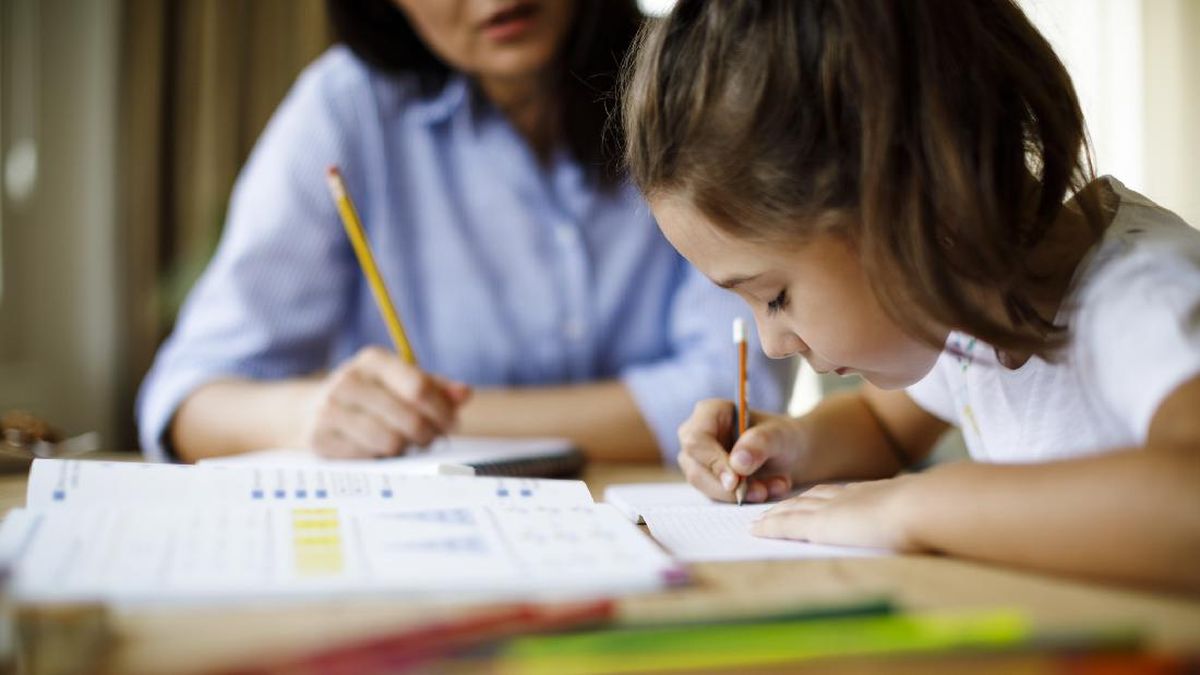
Seeing kids having trouble learning to read can make parents worry, especially when they're left behind.
In fact, each child has a different learning speed and requires an approach to what he needs. Here's how children learn to read that's effective.
Patience, routine training, and methods that fit the child's needs into critical supplies for reading difficulties.
Therefore, parents need to understand the cause of child difficulties before determining the proper method of learning.
Learning to read can begin through simple, fun and easy activities applied every day.
Compelled from Toe by Toe, this is how kids learn to read what parents can do at home.
A quiet learning environment helps children concentrate more while reading. Select the angle of the house with enough lighting, a comfortable seat, and a minimal distraction from television or electronic devices.
Parents can also involve children in setting up their studies, for example by choosing their favorite books or equipment. That way, the child can feel more comfortable during the reading.
A brief exercise done consistently is easier to apply than an irregular long study session. Spend about 15-20 minutes every day reading with the kid.
Start by reading the story, then get the kid to recognize the letters or spell the simple word. Adjust the training duration with the child's condition so that learning doesn't feel burdensome.
A book that's too difficult to get children frustrated and lose interest in learning. Instead, short sentences, clear letters, and interesting illustrations can help the child understand the content of the story gradually.
Let the child choose books based on interest, such as animal stories, vehicles, or favorite characters. Reading the same book repeatedly can also help a child recognize the word and increase the smooth reading.
The ability to connect letters with the sound is an important basis in learning to read. Therefore, parents need to work on letter recognition, sound translations,
Use letter cards, alphabetic magnets, or paper cuts as practice media. For example, take the child to recognize the sound of b, u, and k, and then combine it into the word "book." Repeat the exercise gradually without forcing the child to master all material at once.
Reading activities don't always have to happen by sitting down and opening books. Parents can use word games, drawing cards, or letters-looking activities around the house to improve child engagement.
Besides, an audio book can be a study companion. Kids can listen to stories while following text in a book so they're more used to knowing the word and understanding the text.
Each child has a different learning speed. Therefore, parents should appreciate small advances, such as the success of recognizing new letters, spell simple words, or read one sentence independently.
Make progress records to monitor child skills over time. Avoid comparing children to their own relatives or friends. Sincerely appreciated and positive support can help children maintain the motivation of learning.
Patience is an important part of implementing the difficult way for children to learn to read. Avoid yelling at the child when misspelling or comparing it to other children because it can make him more afraid of learning.
Give the child time to try, make mistakes, and correct the answer. If the child shows signs of irritation or frustration, rest for a moment and proceed when the mood is better.
Taking on children is difficult to learn to read requires consistent training, appropriate methods, and positive support from parents.
With proper control, the child can develop the ability to read gradually without feeling pressured.
Source: CNN Indonesia ›




Comments (0)
No comments yet.