EU presents new Arctic strategy and strengthens military presence
The European Commission’s new Arctic Strategy makes it clear that The EU wants to increase its presence where the "tectonic plates of geopolitics clash", as Commission chief von der Leyen says. by Thomas Spickhofen.
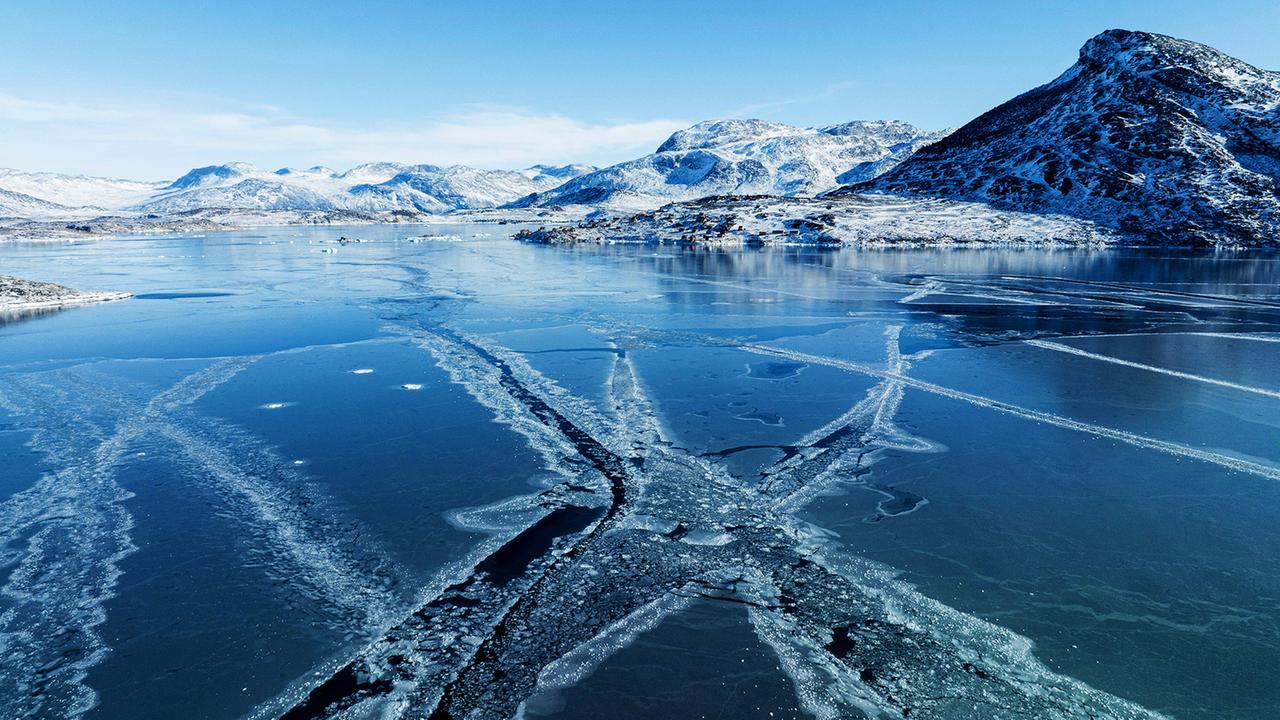
The European Commission’s new Arctic Strategy makes it clear that The EU wants to increase its presence where the "tectonic plates of geopolitics clash", as Commission chief von der Leyen says. Only five years ago is the paper with which the EU has already agreed on an Arctic strategy. And already it has to be revised. "It was time to do that," says Commission chief Ursula von der Leyen. The Arctic is now a place where the tectonic plates of geopolitics collide. Climate change in particular is changing the situation so rapidly: The Arctic is heating three to four times faster than the rest of the world. This will, among other things, make existing trade routes easier to navigate and uncover new ones that are also valuable for military purposes. In addition, raw materials such as rare earths are more easily accessible. Russia, China, the USA: All have therefore a sharply increased interest in the northernmost part of the globe. Europe also wants to regroup itself. Trade routes, raw materials, military presence Several key points have been written by the Commission in its strategy, for example: better use and protection of shipping passages, laying cables through the Arctic, building icebreakers in Greenland, later also in Canada and Japan. It is about trade routes, about raw materials, about military presence. And for the EU, von der Leyen stresses, also around the people on the ground: The Arctic belongs "to the people there, therefore they are also at the centre" of the European approach. The Commission pays particular attention to Arctic shipping. In a study, she wants to estimate the future of the new routes, not only the trade routes, but also military mobility. In order to strengthen security in the Arctic, the Commission proposes a new centre for maritime security. It is intended to keep the situation in the region under observation and, for example, to detect attacks on underwater cables, the movements of shadow fleets or illegal fishing more quickly. More icebreakers are also part of this plan. The world leader in development and production is Finland, after all an EU member. But when how many icebreakers should be ready under which flag - that is part of the negotiations that must now be conducted with the member states, the Commission says. While the 2021 strategy paper focused on climate change, infrastructure, development and research, the proportion of security issues in the new strategy has increased significantly. After all, the Europeans are renewing their promise of 2021: "no drill, no buy" - you will not drill for oil, coal or gas in the Arctic or buy subsidized products. “We are keeping an eye on the protection of the environment and the transition to climate neutrality,” von der Leyen promises. “As a region that regulates climate around the globe, the Arctic shapes weather patterns, biodiversity and sea level rise worldwide.” The consequences for Europe are direct. Around 500,000 people live in the Arctic. Three EU member states have direct borders: Sweden, Finland and Denmark. The strategy “is about partnership with other important allies in the region,” says von der Leyen. “We want to work with all like-minded people.”
Source: tagesschau ›


Comments (0)
No comments yet.