Rice in Indonesia, porridge in Thailand, Here's Fast Food Adapting
A fast-food response is identical to burgers and fries. But, when it comes to certain countries, the concept of restaurants will adapt to local culture.
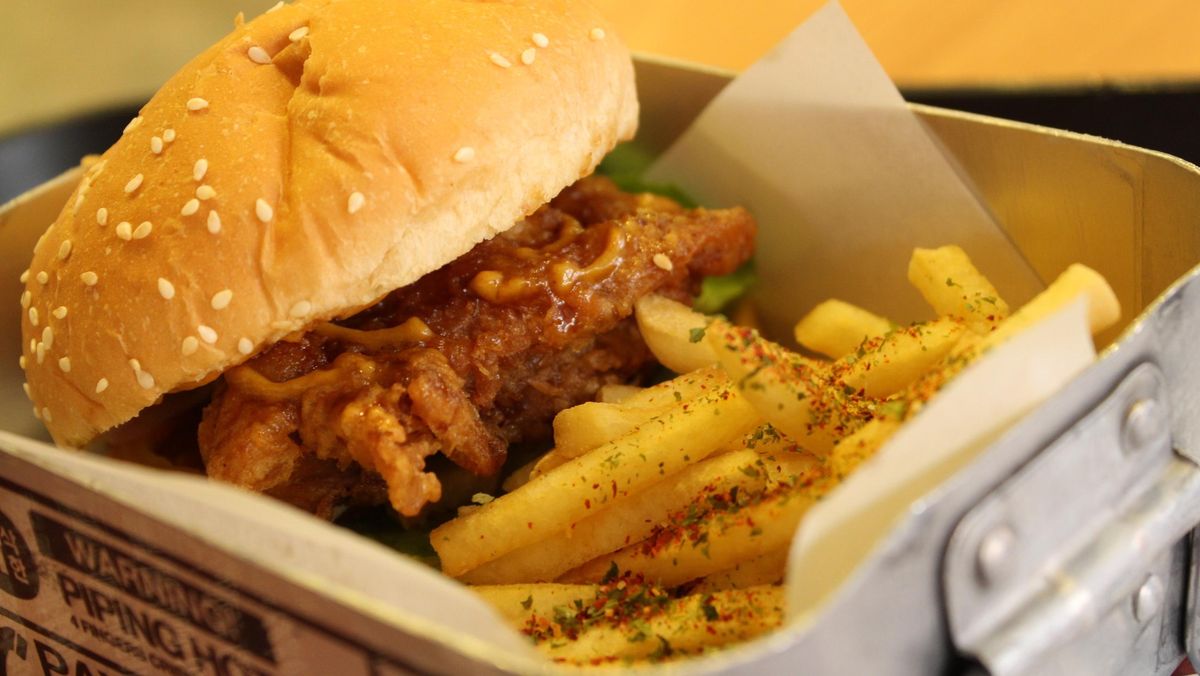
For some Indonesians, eating in fast-food restaurants doesn't feel complete without rice. Fried chicken, rice, and chili were also a familiar combination in the rims. In fact, global fast food restaurants are identical to burgers and fries.
In other countries, the menu could be different. Someone offered rice porridge, vegetarian choice, until food adjusted to a certain taboo. These differences show that food is not just about taste. The habit of eating and culture of society affects the choices of the menu.
This phenomenon is known as glocalization or glocalization, which is when global brands adjust products to local peoples. So, how does local culture affect the global fast-food menu?
Carrying Globalization and Health journals, one example of glocalization can be seen from a menu of fast-food restaurants across the country. In Indonesia, rice and fried chicken became a familiar choice for many consumers. Meanwhile, in Thailand, rice porridge is offered with chicken. In India, there are vegetarian options to reach consumers with different preferences and taboos.
The difference in the menu shows how fast food restaurants adjust to local eating habits. Consumers can still enjoy the same brand, but with a choice that feels more familiar in the tongue.
In addition to taste, religion and culture can also affect one's food choices.
India became one interesting example because its society had a variety of food traditions and taboos. Some people avoid certain meats, while others choose vegetarian food based on belief or personal preference.
Journal of Asian and African Studies reviewed various forms of adaptation, from restaurant atmosphere to advertising strategies and social media use. The researchers also discuss the value and taboo of food related to Jain's trust.
Understanding public eating is not just about knowing their favorite food. The value and confidence in the consumer can also affect the food selection.
In Indonesia, for example, food content information is an important consideration for Muslim consumers.
That's why the same restaurant can offer different food options in different countries. Because even though the brand is global, the taste and habit of eating people has their own story.
Source: CNN Indonesia ›



Comments (0)
No comments yet.