UN says 19.2 million Afghans facing acute food insecurity by April 2027
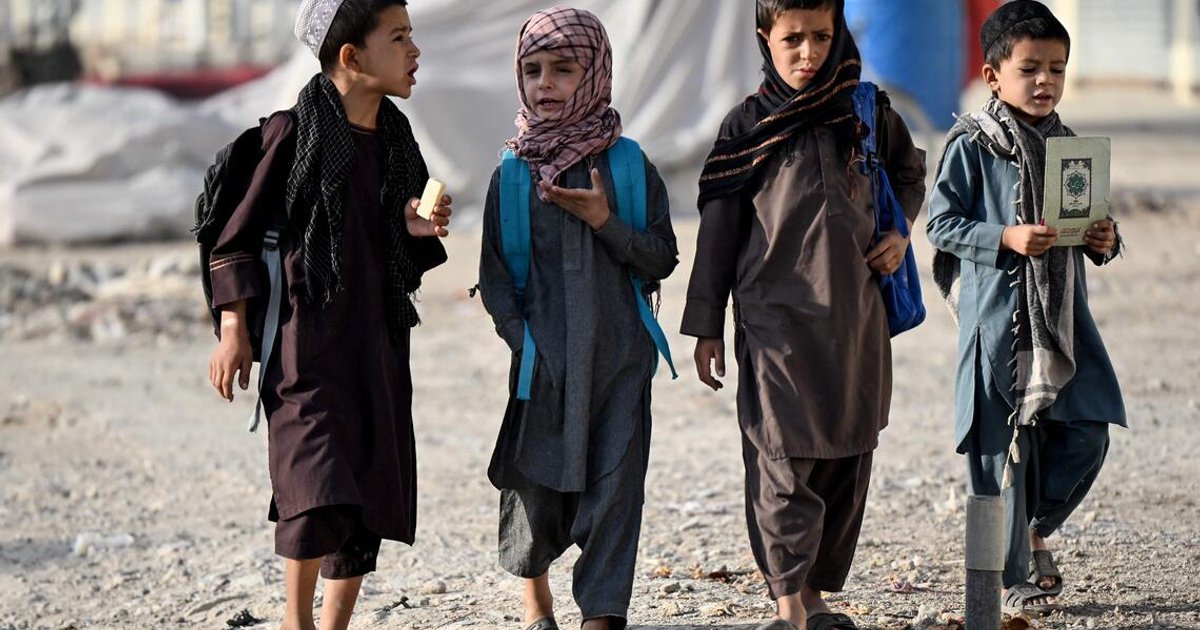
The food crisis in Afghanistan is projected to affect millions of children in 2027.
Sign up now: Get insights on Asia's fast-moving developments
The food crisis in Afghanistan is projected to affect millions of children in 2027, the UN humanitarian agency OCHA said.
GENEVA - The number of people facing acute food insecurity in Afghanistan is set to rise to 19.2 million during the winter season between November 2026 and April 2027, the United Nations said on Oct 20.
The food crisis in Afghanistan is projected to affect millions of children in 2027, the UN humanitarian agency OCHA said.
Between September and October, 15.9 million people – or nearly one in three Afghans – were facing food insecurity at crisis levels or worse, including 3.4 million in emergency conditions, the agency said.
But the outlook is set to deteriorate further.
“The number facing acute food insecurity is projected to rise to 19.2 million, of which five million are expected to face emergency levels of hunger,” which is “one step away from famine”, said OCHA’s Afghanistan spokeswoman Olga Cherevko.
The food crisis in Afghanistan is not simply about whether the food is available, but also about whether people can afford it, she told a press briefing in Geneva, speaking from Kabul.
The latest Integrated Food Security Phase Classification snapshot projects that more than four million children aged six months to five years old will need treatment for acute malnutrition in 2027.
“Over one million of these children are expected to suffer severe acute malnutrition,” said Cherevko.
“These numbers represent children whose parents cannot afford nutritious food, and families whose ability to cope has been worn down by years of conflict, economic hardship, drought and other shocks.”
However, around one-third of nutrition sites across the country have closed or have suspended services, “largely due to funding cuts”.
“Once these services disappear, the consequences could be irreversible, particularly for children.” AFP
Source: The Straits Times ›



Comments (0)
No comments yet.