Dener@@
The Nusantara Clean Energy Power Force revealed a major obstacle that made the Trash Processing project into Electrical Energy in Jakarta not yet executed.
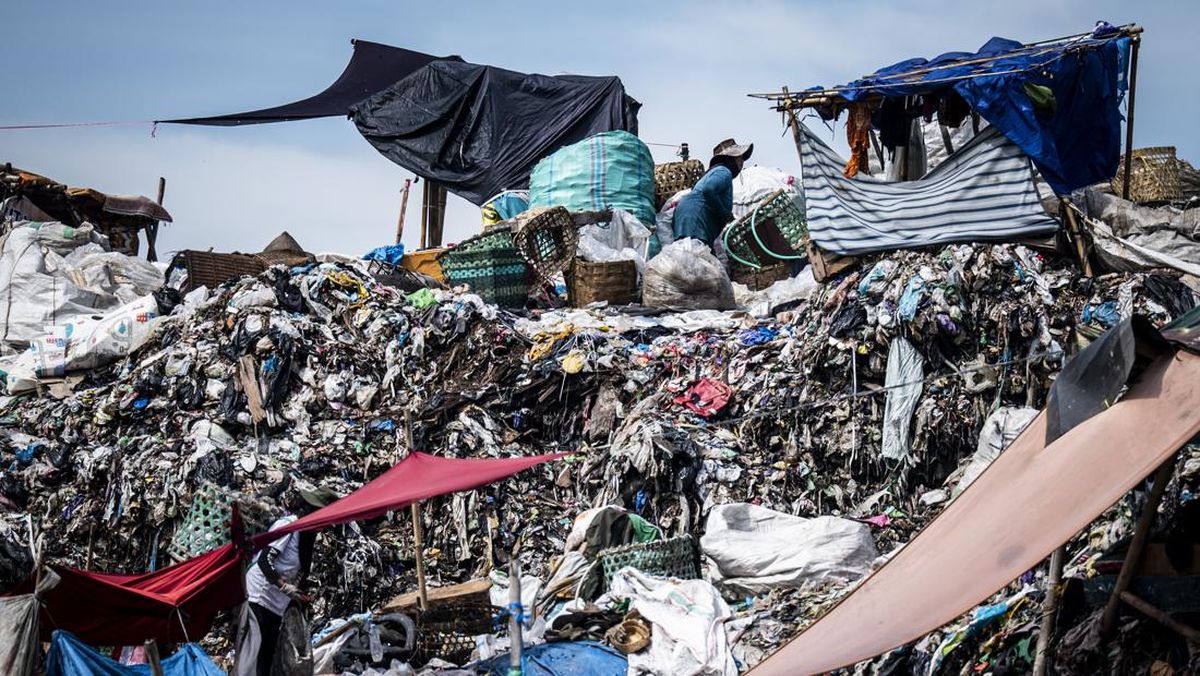
The Nusantara Clean Power PT (Denera) reveals a number of major impediments that make the Trash Processing Project Power in Jakarta can't be executed quickly.
In fact, Jakarta became one of Indonesia's largest waste production areas.
The CEO of Denera Fadli Rahman revealed that limited availability of land became the toughest challenge in realising modern waste processing facilities in the capital.
"The problem in Jakarta is land. The crops were hard to find, because they were so dense, they were like," Fadli "when they detailed the PSEL constraints in Jakarta in the media briefing at Denera, South Jakarta, Monday (19 / 10).
Moreover, Fadli explained that the administration process at the local government also affected the duration of project preparations.
At this time, Denera is still waiting for official locations and the complete administration of the DKI Jakarta Province government.
"Jakarta will definitely be built. The question is when? And this is what we're also still waiting for in the administration process of Pepprov Jakarta. My fellow DKI provors are now finishing the location of the last selected land," brilliant.
Even so, Denera is committed to constantly pushing the acceleration of the project. As for his side has begun an early study of feasibility so that physical development can go straight around after all the permits and land zeroing.
"From us, we are committed to regardless of the process of administration, we have already begun the study of feasibility in advance. So the principle or the spirit of acceleration can remain awake," firm Fadli.
Fadli revealed Jakarta today producing junk up to 9,000 tons a day. Therefore, Denera assessed the presence of PSEL in Jakarta is crucial considering the waste-making program alone is not enough to spend an entire pile of garbage without large-scale processing technology.
"Indeed Jakarta is now producing 9,000 tons a day, and there seems to be an impact on the pipeline quite well, that is. But the rest of the pipeline itself needs to be treated," pick it up.
Source: CNN Indonesia ›



Comments (0)
No comments yet.