Fuel E20: Biofuel to help against high oil prices
The biofuel E20 is intended to protect the climate and wallet and reduce dependence on global supply chains. However, E20 is not completely undisputed.
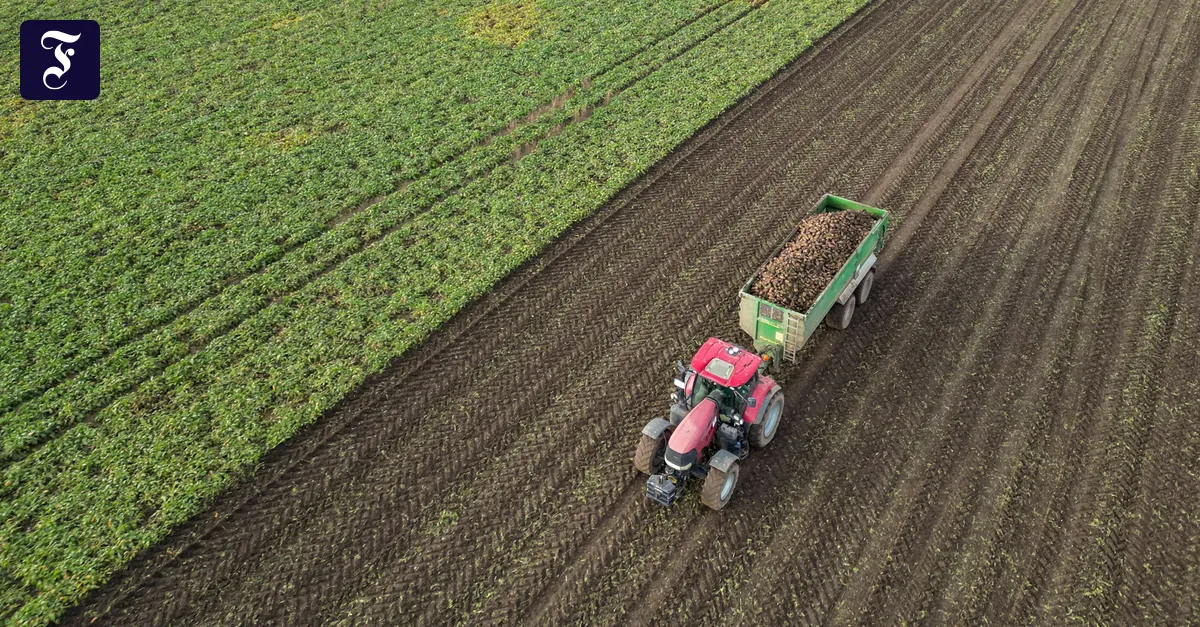
For more than 15 years, motorists in Germany have been fueling E10. Transport Minister Steffen Bilger (CDU) now wants to introduce E20, a fuel with up to 20 percent bioethanol, twice as much as E10. This could reduce CO2 emissions in transport, ideally make refuelling cheaper and reduce dependence on global supply chains. In the USA and Brazil, ethanol production has long been more established. There, around 40 percent of the US corn crop and a good 50 percent of Brazil’s sugar cane go to fuel production, forming a mainstay of the agricultural economy. In Germany and the EU, E20 is not yet approved. Due to the higher oxygen content, the sale would not be allowed under the Federal Immission Protection Act currently. Technically, the hurdles are low: vehicles that are approved for E10 can also cope with E20, which is why all cars since 2011 are considered suitable. A study by the Karlsruhe Institute of Technology (KIT) showed that a good 96 percent of the 33 million petrol engines are E10-capable. E20 could therefore be used without conversion in the existing vehicle fleet. This is highlighted by the Federal Association of the Ethanol Industry as a central advantage over the electrification of transport. Since the organic fraction is exempted from the CO2 tax, the price of litres could fall by up to five cents. However, because of the lower energy density, the consumption increases slightly. More biofuels as an opportunity for agriculture? Domestic agriculture could also benefit, at least so the hope. Bioethanol is produced by fermentation and distillation of sugar- or starch-containing plants such as wheat, other cereals, sugar beet or maize. Currently, however, more than half of the bioethanol comes from abroad. A stronger demand from fuel production could therefore support producer prices, the associations are convinced. Regional biorefineries could be reliable buyers, says Alois Gerig from the German Bioethanol Industry Association. Ethanol is particularly attractive when large domestic harvests meet low world prices, as in the past two years. In addition, low-quality grain can be used, which is otherwise hardly suitable as feed. Similarly, the German Farmers' Association argues. In 2025, local biorefineries processed about 5.9 percent of the total grain harvest and 5.6 percent of the total sugar beet harvest. Here the association sees “increasing potential”, no competition with food production. The food produced in the production of ethanol is considered by the association as dual use. Debate about “tank, trough or plate” remains Basically, not only crops, but also residues such as wood, straw, biowaste or by-products of food production can be processed into ethanol. Even grape marc, i.e. shells, kernels and stems from wine production, are suitable for fuel ethanol. Industry is also pushing for new sales channels. With sugar consumption no longer growing in Europe, Europe’s largest sugar producer Südzucker is looking for alternatives. The subsidiary Cropenergies has been operating Germany’s first E20 pump in Mannheim in test operation since the end of 2023. The fuel is fueled in everyday life by Südzucker AG’s own vehicle fleet and by partners such as Bosch and Volkswagen. However, E20 is not completely undisputed. The debate about “tank, trough or plate” is about scarce arable land. What is grown for the tank is missing elsewhere for food. Agricultural economist Peter Breunig from Weihenstephan-Triesdorf University sees this as a core problem. “Biofuels are incredibly space-inefficient,” he says. If all gasoline consumption were converted to E20, five to six percent of the total German arable land would be needed additionally. In addition, import dependence would remain, as Germany would then have to import more food if there was no space for its production. Breunig is also surprised that the issue of security of supply for biofuels is not mentioned by the associations. “The argument of land scarcity is only used by the agricultural industry if it serves to justify its own production,” he says. With regard to countries such as the USA and Brazil, where ethanol production has been instrumental in the success of the agricultural sector, he points out: Agriculture is dependent on the transport sector.
Source: FAZ ›



Comments (0)
No comments yet.